Placing a large PCBA order without visiting the factory feels risky. A bad partner can cause costly delays and quality issues, but a structured remote audit can give you confidence.
To audit a PCBA factory remotely, you should request key certifications, schedule a live video tour to see their operations, verify their equipment list, and assess their quality control documentation. This process builds trust and verifies capabilities without an in-person visit, ensuring a reliable partnership.
Trusting a new manufacturing partner with your product from thousands of miles away can be daunting. You're putting your project's success, budget, and timeline in their hands. But in today's global market, flying out for every initial assessment isn't always practical. The good news is that you can perform a thorough and effective audit right from your office. I've guided many of our clients through this process, and it all comes down to a systematic approach. Let's break down the exact steps you can take to verify a factory's legitimacy and capability before you commit to an order.
What key documents should you request first?
You're getting lots of documents from a potential supplier and don't know what's important. Asking for the wrong papers wastes time and doesn't reveal a factory's true capabilities. Focus on a few key documents that prove their quality standards.
Start by requesting their business license and key quality certifications like ISO 9001. For specific industries, ask for IATF 16949 (automotive) or ISO 13485 (medical). Also, get their RoHS and REACH compliance documents. These papers form the solid foundation of your remote audit.
These documents are your first checkpoint. They aren't just pieces of paper; they are proof of a factory's commitment to standards and legality. When I review these for a client, I'm looking for more than just a logo. I'm checking for validity, scope, and relevance to their specific project. For example, an ISO 9001 certificate shows they have a documented Quality Management System (QMS), which is the absolute baseline. But if you're developing a medical device, the absence of an ISO 13485 certificate is a major red flag. It tells you they likely don't have the rigorous traceability and risk management processes required for medical-grade products. I remember a client in the automotive sector who was impressed by a factory's price, but we quickly pointed out they lacked IATF 16949 certification. That single observation saved them from a future filled with compliance headaches and potential recalls.
Here’s a simple breakdown of what to look for:
| Document | Why It's Important | What to Look For |
|---|---|---|
| Business License | Verifies legal existence and scope of business. | The company name, address, and business scope must match their claims. |
| ISO 9001 | Confirms a standardized Quality Management System. | A valid certification date and a scope that explicitly covers PCB assembly. |
| Industry-Specific Certs | Shows expertise and compliance within your industry. | The certification must be current and relevant to your product type (e.g., medical, auto). |
| RoHS/REACH Compliance | Ensures products meet environmental and safety standards. | Declarations of conformity or test reports for specific materials they use. |
How can you verify their production capabilities from afar?
A factory's website promises state-of-the-art equipment. But how do you know if it's real, or if they can handle your project's complexity and volume? A live video tour and a detailed equipment list are your best tools.
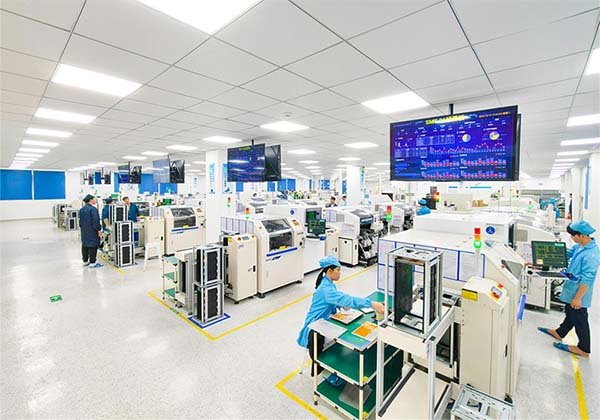
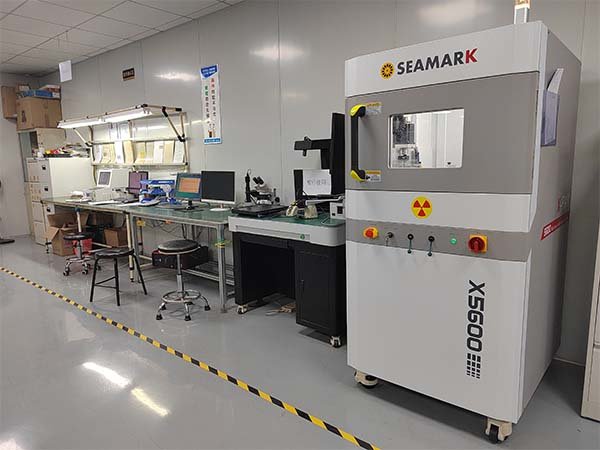
Request a detailed equipment list with brands, models, and ideally, maintenance records. More importantly, schedule a live video call. Ask your contact to give you a real-time tour of the production floor, showing you the SMT lines, AOI machines, and testing stations while they are running.
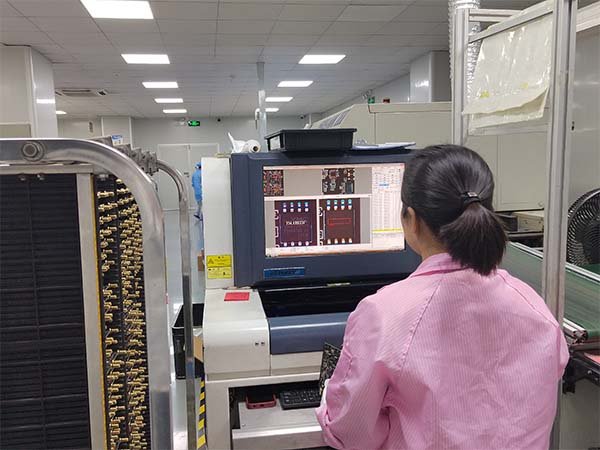
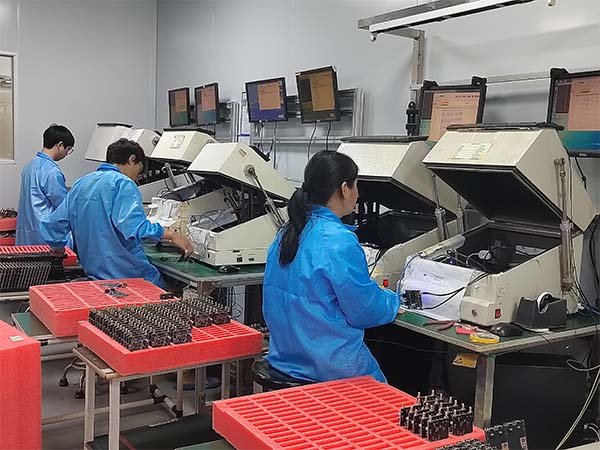
The video tour is where their claims meet reality. It's one of my favorite parts of the audit process. I always ask the client to have their list of questions ready. When the tour starts, I don't just want to see the machines; I want to see them in action. On the SMT line, I look for cleanliness and organization. Are the component reels stored properly? Is the workflow logical? I’ll ask them to zoom in on the solder paste printer and the pick-and-place machine. Then, we move to inspection. I'll ask, "Can you show me your Automated Optical Inspection (AOI) machine running a board?" or "Let's see the X-ray machine and an example of a BGA inspection image." A factory that is proud of its processes will be happy to show you. A hesitant or unprepared factory is a warning sign. I also make it a point to ask them to show me a specific machine from the equipment list they sent earlier. This simple cross-check confirms they actually own and operate the assets they claim to have.
How do you assess their quality control systems remotely?
Every factory claims to have "great quality." But without a real, documented system, you could receive a batch of faulty boards, costing you thousands in rework, delays, and lost customer trust. Dig into their processes to see the real story.
You can assess their quality control by reviewing their documented procedures. Ask for their Quality Control Plan (QCP), Incoming Quality Control (IQC) reports for components, and examples of First Article Inspection (FAI) reports. These documents reveal how they prevent, detect, and handle defects.
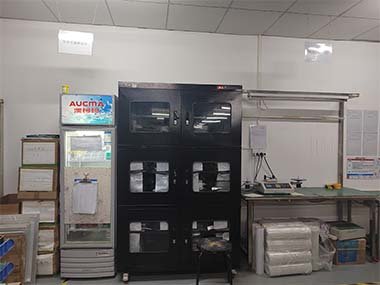
A robust quality system is about catching issues at every step, not just at the end. When I review a factory's quality documents, I'm looking for a multi-stage approach. It starts with Incoming Quality Control (IQC). How do they verify the components that arrive from suppliers? They should have a clear process for checking part numbers, quantities, and for any physical damage or signs of being counterfeit. Ask for their IQC checklist. Next is In-Process Quality Control (IPQC). This includes critical checks like Solder Paste Inspection (SPI) after printing and regular checks during the SMT and through-hole assembly stages. Finally, there's Final Quality Control (FQC). This is their last chance to catch an error before it gets to you. This should always include a 100% visual inspection and any functional testing you have specified. A key document to request is a sample First Article Inspection (FAI) report. This report demonstrates that they have a formal process to meticulously check the very first unit off the line against your design files before launching mass production.
Why is communication the secret ingredient in a successful remote audit?
Technical specs and certificates are important. But poor communication with a supplier can derail a project faster than any technical issue, leading to misunderstandings and costly mistakes. Use the audit process itself to test their professionalism.
Communication is a vital indicator of a good partner. During your remote audit, pay close attention to their response times, the clarity of their answers, and their willingness to provide information. A supplier who communicates well during the audit is likely to be a reliable and transparent partner during production.
The entire audit is a test of your future working relationship. How they handle your questions now is how they will handle your project later. I always advise clients to track a few key communication metrics. First, responsiveness. How long does it take them to reply to your emails? Factoring in time zones, a response within 24 hours is a good sign. If they consistently take days to reply, imagine how frustrating it will be when you have an urgent production issue. Second, clarity. Do they answer your questions directly, or do they give vague, evasive answers? On video calls, I pay attention to who answers the questions. If the salesperson brings in a project manager or engineer to answer technical details, that shows they have a professional team structure. Finally, transparency. A great partner is honest about their capabilities. If you ask about a process they don't have in-house, they should tell you and explain how they manage it with a trusted partner, rather than pretending they do everything themselves. This honesty builds a foundation of trust that is essential for a long-term partnership.
Conclusion
A remote audit is not just possible; it's a highly effective way to vet a PCBA partner. By systematically checking documents, capabilities, quality processes, and communication, you build the confidence needed for success.